5 Common Concerns After Getting a Root Canal
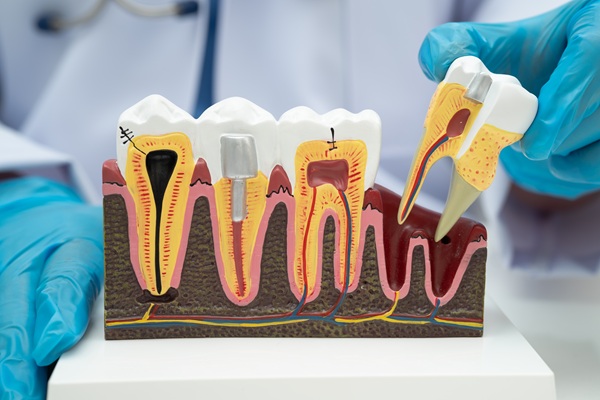
A root canal is a standard way to save a tooth from severe damage or infection. However, you may have questions or concerns about the recovery process once you get home and the local anesthetic wears off. Here are five common concerns that patients have after a root canal.
1. Persistent soreness and sensitivity
Mild to moderate discomfort is a common result after a root canal. The tooth often feels tender to pressure or when eating, particularly in the first several days. This sensation typically does not start within the tooth itself, since the professional removed the infected pulp. Instead, the discomfort comes from inflammation in the surrounding gum tissue.
Normal post-procedural inflammation makes the area feel bruised. This sensitivity usually fades as the body completes the natural repair process. Over-the-counter pain medication is typically enough to manage discomfort.
2. Fear of treatment failure
A frequent worry involves the idea that the procedure did not fully resolve the infection. Lingering discomfort or a new awareness of the tooth can lead to doubts about the long-term outcome. In most situations, these fears stem from a desire for relief rather than from a fear of treatment failure.
A successful procedure removes the bacteria, cleans the canal system, and seals the space to prevent future issues. Follow-up X-rays and visual exams provide evidence of the treatment’s effectiveness and success over time. While complications are possible after any restoration, complications from root canals are rare.
3. Structural fragility
After the removing the internal pulp of the tooth, it becomes more brittle due to the loss of blood flow and moisture. Patients fear the tooth will crack or snap under pressure. This is a valid concern, particularly for molars that endure forces from everyday biting and chewing.
Fortunately, dentists will typically place a custom dental crown to restore the tooth’s function and strength. A well-fitted crown protects the tooth and prevents a fracture. Without this full-coverage restoration, the remaining natural tooth structure remains at risk. That said, most anxiety about the tooth breaking focuses on long-term use rather than immediate damage.
4. Questions about longevity
Many people worry that a treated tooth has a short lifespan. However, a tooth with a successful restoration can last for decades. Long-term success depends on a commitment to a strict maintenance routine, such as:
- Brushing twice a day
- Flossing once a day
- Avoiding hard objects like ice or candy
- Attending regular professional cleanings
- Wearing a nightguard to prevent grinding and clenching
- Following all post-operative dietary restrictions
These simple habits protect the restored tooth and the health of the surrounding bone.
5. Changes in tooth color
Discoloration is a concern that causes stress for many patients. A tooth sometimes turns dark or gray if it had internal (intrinsic) stains before the treatment. This change is most noticeable on the front teeth. Cosmetic fixes like professional whitening or crowns can easily address these shade changes. If the tooth is more visible, many patients need to prioritize its appearance as much as the function. Aesthetic changes do not mean the tooth is unhealthy.
Recover from a root canal with confidence
If you just finished a root canal, it is normal to have questions or concerns about the path to full recovery. Do not hesitate to contact our North Miami Beach office for a follow-up if the discomfort feels unusual. We are here to help make the recovery process as easy as possible.
Request an appointment here: https://biscaynedentalcenter.com or call Biscayne Dental Center at (305) 824-2271 for an appointment in our North Miami Beach office.
Check out what others are saying about our dental services on Yelp: Root Canal in North Miami Beach, FL.
Related Posts
Knowing how to handle common dental emergencies can help protect the health, function, and appearance of the smile. Emergency dentists often see patients who need immediate dental treatment for severe issues. These simple tips provide valuable guidance on what to do in common dental emergencies to improve oral health outcomes.An emergency dentist is a general…
All-on-4® can help patients replace a full arch of missing teeth with a stable implant-supported restoration. Patients who explore full-arch tooth replacement may also hear the term All-on-X and wonder whether it means the same thing. Both options can restore chewing function, improve smile appearance, and create a more secure alternative to traditional removable dentures.…
A smile makeover offers a fresh start for anyone looking to boost their confidence with a more radiant, balanced appearance. Oftentimes, this transformation involves much more than just a quick fix or a surface-level change. Choosing the right dentist ensures your plan respects the unique anatomy and overall goals.Dream results begin with a healthy foundation…
A general dentist knows that a healthy smile starts with good habits at home. Many people ask about the best way to floss to keep their teeth. While the task seems simple, using the proper technique ensures the mouth stays free of disease. Most individuals understand that a brush alone cannot reach every surface.Plaque forms…